Create your custom sustainability policy in minutes — free for a limited time
Get Started →Search type
Countries
Fields
List of Drying HotSpots
21 Eco Hot Spots
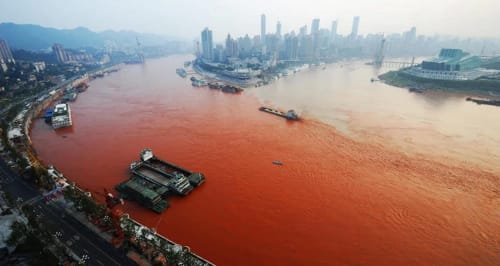
Pollution of the Yangtze river
China
- #rivers
- #drying
last update:
last month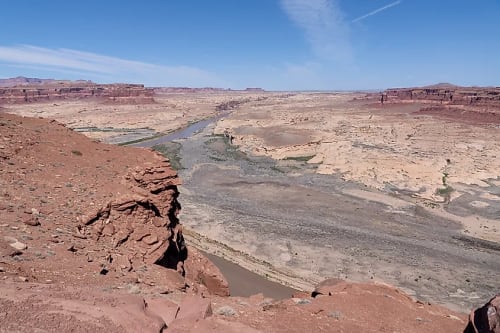
Drying up of Colorado River, United States
USA
- #rivers
- #drying
last update:
2 months ago
Water shortage in England
United Kingdom
- #drying
- #climate
last update:
3 months ago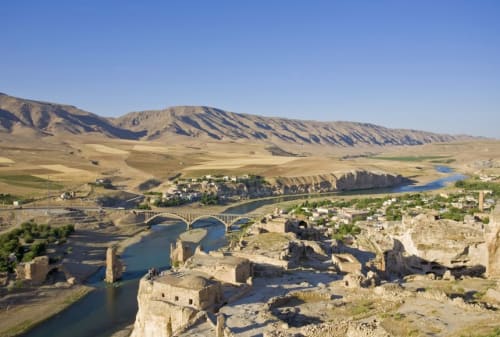
Drying up of Tigris River, Iraq
Iraq
- #rivers
- #drying
last update:
3 months ago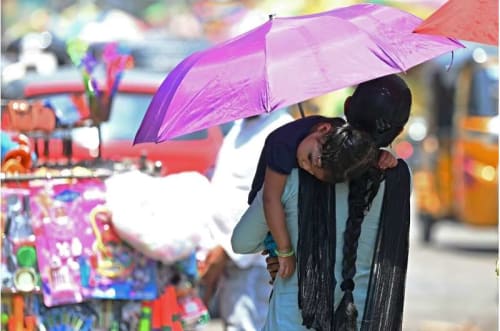
Extreme heatwaves, Thailand
Thailand
- #climate
- #drying
last update:
3 months ago
Water crisis in Kuwait
Kuwait
- #drying
- #water conservation
last update:
5 months ago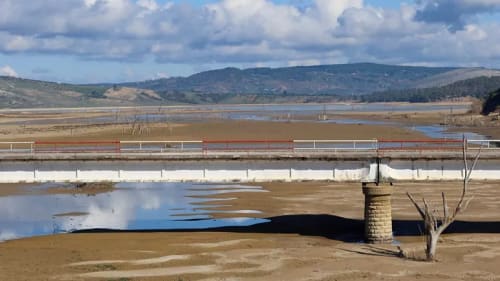
The water crisis in Tunisia
Tunisia
- #water conservation
- #drying
last update:
5 months ago
Drying up of Poyang Lake, China
China
- #lakes
- #drying
last update:
6 months ago
The drying up of Rio Grande, United States
USA
- #rivers
- #drying
last update:
last year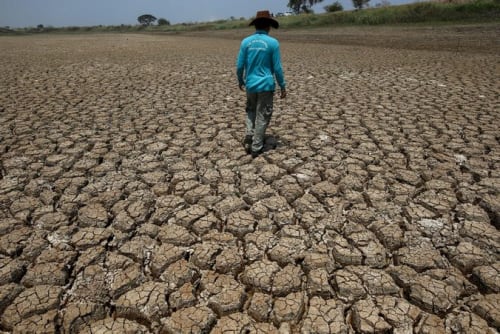
Thailand’s water shortage and inequality crisis
Thailand
- #drying
last update:
last year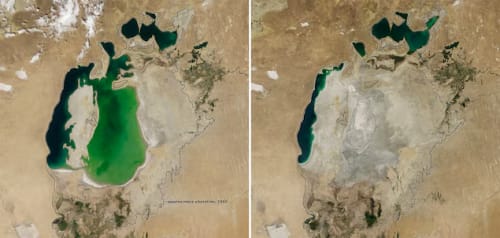
Drying up of the Aral Sea
Kazakhstan, Uzbekistan
- #drying
- #climate
last update:
last year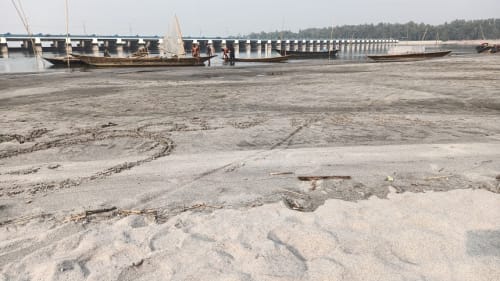
Drying up of Teesta River, Bangladesh
India, Bangladesh
- #rivers
- #drying
last update:
2 years ago
The longest river in Italy Po Valley is drying up
Italy
- #drying
last update:
2 years ago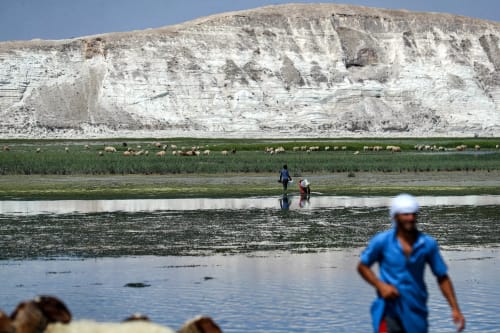
Drying Euphrates threatens disaster in Syria
Syria
- #drying
last update:
2 years ago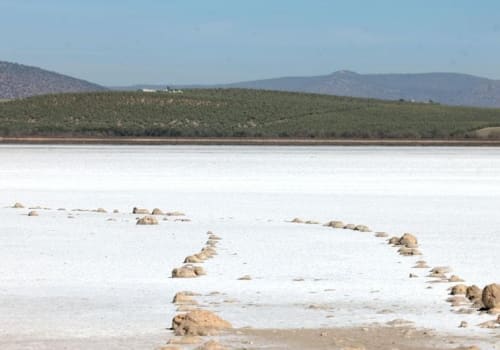
Dry up of Laguna de la Fuente de Piedra, Spain
Spain
- #drying
- #climate
last update:
2 years ago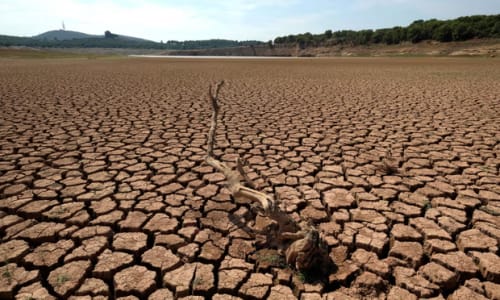
Drying up of the Tagus River, Spain
Spain, Portugal
- #rivers
- #drying
last update:
2 years ago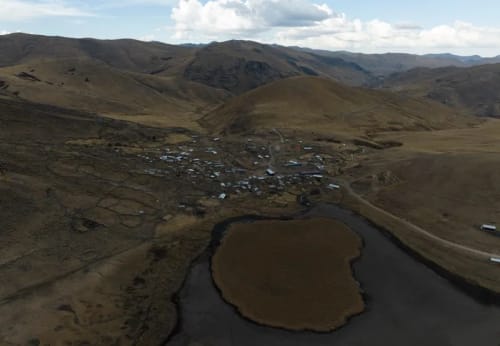
Cconchaccota lagoon dries up in southern Andes, Peru
Peru
- #drying
- #climate
last update:
2 years ago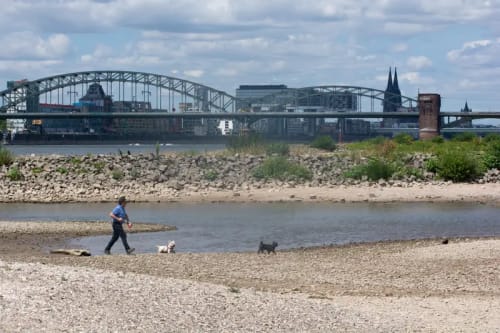
River Rhine Is drying up amid heatwave
Germany
- #drying
last update:
2 years ago
Drying up of Peñuelas Lake, Chile
Chile
- #lakes
- #drying
last update:
2 years ago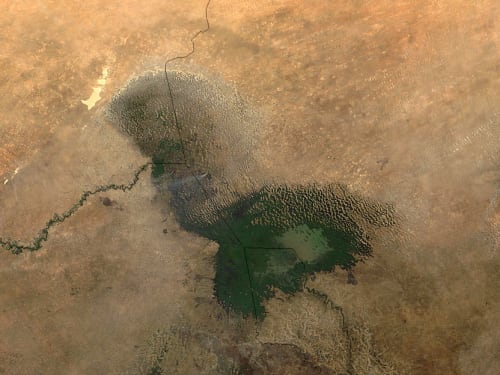
DryIng up of Lake Chad, Сentral Africa
Chad, Nigeria, Niger, Cameroon
- #lakes
- #drying
last update:
2 years ago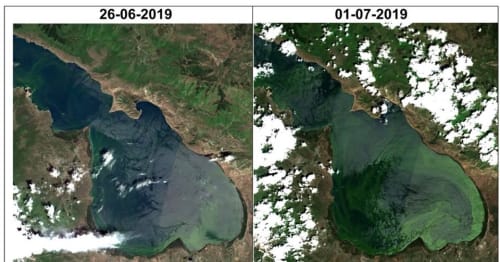
Uncontrolled abstraction of Lake Sevan, Armenia
Armenia
- #drying
last update:
2 years agoWhat are drought hotspots?
     Drying HotSpots can be described as places on the planet where climate change and human interference with the environment lead to droughts and lack of rainfall over long periods. When particularly hot summers occur, people look forward to the rains that could take away the unbearable heat and bring down the dust. But there are places on our planet where rain can be expected for years. Such places are exactly those hotspots of drought.

     Today, one-third of the earth is threatened by desertification, and by 2025, usable farmland is expected to be two-thirds smaller in Africa, one-third in Asia, and one-fifth in Latin America than it was in 1990.

     This trend broadly affects hundreds of millions of people across the planet. Climate change is damaging the Earth's interconnected natural systems, so drought and desertification are rapidly becoming the new norm everywhere from Europe to Africa. A recent report by the United Nations Convention to Combat Desertification states that the number and duration of droughts have increased by nearly a third in the past two decades. The report also states that:

● Since 1970, droughts have killed 650,000 people, mostly in countries that have contributed the least to the factors that exacerbate the effects of drought;
● more than 2.3 billion people face water scarcity today;
● by 2050, drought could affect more than three-quarters of the world's population.
Main causes of drought
     Drought is a natural phenomenon that occurs when there is a prolonged lack of precipitation combined with a high evaporation rate, which leads to drying of the root zone of the soil and disrupts the water supply to plants. It is not only plants that suffer in drought hotspots. Animals die of thirst due to the drying up of reservoirs and the lowering of water levels. In some regions, freshwater fish species are endangered due to the drying up of rivers and shallow water.

     Altogether, more than 1 billion hectares in the world are exposed to desertification on almost all continents. The causes and main factors of desertification vary. As a rule, desertification is caused by a combination of several factors, the joint action of which sharply worsens the ecological situation.

     The factors leading to droughts and desertification can be natural and anthropogenic. Natural drought causes can include unfavorable weather conditions and a decrease in the amount of precipitation, soil salinization, the predominance of light soils in the area, a decrease in water table response, as well as wind and water erosion.

     Anthropogenic factors include the felling of trees and shrubs, excessive pressure on pastures, accelerated deflation and salinization of soils, еxcessive use of water natural resources and the consequent drop in water table response, burning of dry grass, and unsustainable water withdrawal.

     In an area subjected to desertification, the physical properties of soils deteriorate, vegetation dies, groundwater salinates, biological productivity drops dramatically, and consequently the ability of ecosystems to regenerate is undermined.
What will happen to an ecosystem that is experiencing a prolonged drought?
     Drought begins with the establishment of a persistent anticyclone, which invades from the northern hemisphere and carries with it cold masses of Arctic air, characterized by low temperatures and lack of moisture. This entails the establishment of sunny weather without precipitation. Solar radiation strongly warms the layers of the atmosphere close to the ground, thus increasing air temperature and accelerating the intensity of moisture evaporation from the ground surface. Humidity decreases, resulting in a deficit of moisture. The circular motion of air masses in anticyclones warms up air even quicker, additionally increasing moisture deficit, which is not replenished due to the absence of precipitation. Thus, cold northern air is replaced by hot and sultry air within a short period. Further, due to the inflow of new air masses from the Arctic, the drought is intensified. The correspondence between the availability of moisture and its inflow is disturbed.

     Often, anticyclones are replaced one after another, and then the consequences of the natural anomaly worsen and may become a real disaster. In this case, all the above changes will lead not only to drought but actually to desertification.

     Drought has become a threat to the very existence of many small communities, and experts believe it is inextricably linked to the triple planetary crisis of climate change, loss of biodiversity and nature, and pollution and waste.